What Is the BUN Test? A Complete Beginner’s Guide to Kidney Health
If your doctor has mentioned getting a BUN test, you might be wondering what it means and why it matters. Understanding this simple blood test can help you take charge of your kidney health and overall wellness.
Understanding Blood Urea Nitrogen
Blood urea nitrogen, commonly abbreviated as BUN, is a crucial marker that helps doctors assess how well your kidneys are functioning. When your body breaks down proteins from the food you eat, it produces waste products. One of these waste products is urea nitrogen, which is normally filtered out by your kidneys and expelled through urine.
The urea nitrogen blood test measures the amount of this waste product in your bloodstream. Think of your kidneys as filters in your body’s plumbing system. When they’re working properly, they remove urea nitrogen efficiently. However, when kidney function declines, this waste can build up in your blood.
What Exactly Is a BUN Test?
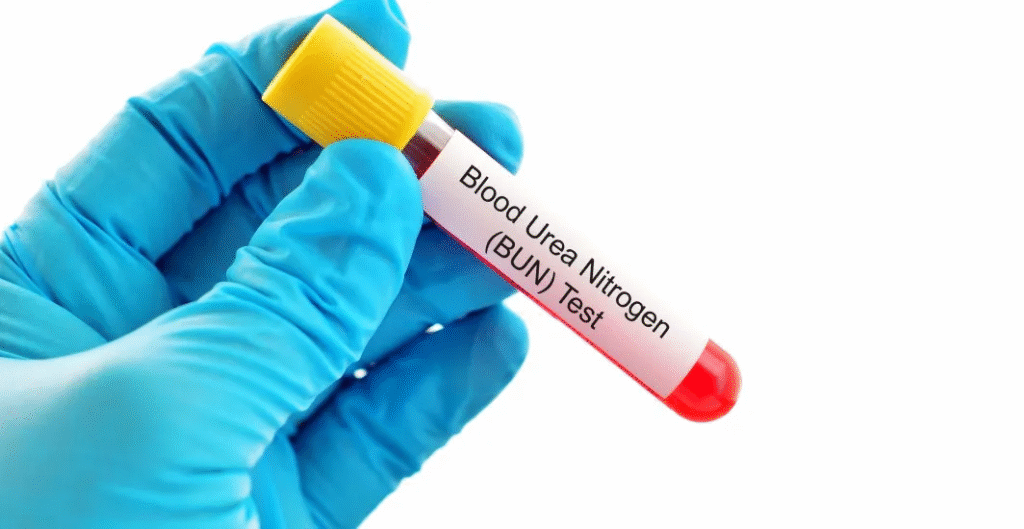
A BUN test is a straightforward blood test that measures the level of blood urea in your system. During the test, a healthcare professional draws a small blood sample from your arm. The sample is then analyzed in a laboratory to determine your urea nitrogen blood levels.
This test is often part of routine health screenings or comprehensive metabolic panels. Your doctor might order it during regular checkups, when you’re experiencing symptoms of kidney problems, or to monitor existing kidney conditions.
Why Is the Blood Urea Nitrogen Test Important?
The blood test urea nitrogen provides valuable information about your kidney function. Normal BUN levels typically range between 7 to 20 milligrams per deciliter (mg/dL), though this can vary slightly depending on age, gender, and the laboratory performing the test.
When you have high blood urea nitrogen, it could signal several health issues. Your kidneys might not be filtering waste effectively, which can indicate kidney disease. However, elevated levels don’t always mean kidney problems. Dehydration, high protein diets, certain medications, or heart conditions can also cause temporary increases.
Understanding High Blood Urea Levels
If your test shows blood urea nitrogen high, don’t panic immediately. Your doctor will consider this result alongside other factors including your medical history, symptoms, and additional tests. High blood urea levels might indicate chronic kidney disease, but they could also result from temporary conditions like dehydration or a urinary tract blockage.
Other symptoms that might accompany kidney issues include fatigue, swelling in your legs or ankles, changes in urination frequency, difficulty concentrating, and decreased appetite. If you’re experiencing these symptoms along with elevated BUN levels, your doctor will likely recommend further testing.
The Connection Between BUN Test and Kidney Disease
Kidney disease blood tests, including the BUN test, are essential tools for early detection and management. When kidney disease develops, your kidneys gradually lose their ability to filter waste products effectively. The urea nitrogen blood test can catch these changes early, allowing for timely intervention.
Doctors often combine the BUN test with other markers like creatinine levels to get a complete picture of kidney function. The BUN-to-creatinine ratio helps determine whether kidney problems stem from the kidneys themselves or from other factors like dehydration or medication use.
Preparing for Your Blood Test Urea Nitrogen
Most BUN tests don’t require special preparation, but your doctor might ask you to fast for several hours beforehand. Certain medications and supplements can affect results, so inform your healthcare provider about everything you’re taking. Staying properly hydrated is important, as dehydration can artificially elevate your blood urea nitrogen levels.
Taking Action for Better Kidney Health
If your test results show abnormalities, work closely with your healthcare provider to develop a treatment plan. Managing kidney health often involves lifestyle changes like maintaining a balanced diet, staying hydrated, controlling blood pressure, managing diabetes if present, and avoiding medications that can harm kidneys.
Regular monitoring through blood test urea nitrogen helps track your kidney function over time. Early detection and proper management can significantly slow the progression of kidney disease and improve your quality of life.
Referral Labs: Your Partner in Kidney Health Testing
When it comes to accurate and reliable BUN testing, choosing the right laboratory matters. Referral Labs offers comprehensive kidney function testing with state-of-the-art equipment and experienced professionals who understand the importance of precise results.
Referral Labs provides convenient testing services with quick turnaround times, ensuring you and your doctor receive results promptly for timely decision-making. Their patient-friendly approach makes the testing process comfortable and stress-free.
Contact Referral Labs:
- Phone:+91 6363136620
- Website: https://referrallabs.in/
- Email: info@referrallabs.in
- Address: No. 39 & 40, Ground Floor, NCBS Road, Canara Bank Layout, Rajiv Gandhi Nagar, Opp. Vivekananda School, Sahakar Nagar Post, Bengaluru, Karnataka – 560092
Whether you need a routine BUN test or comprehensive kidney function screening, Referral Labs is committed to providing accurate, affordable, and accessible testing services to help you maintain optimal kidney health.