What Your Iron Profile Test Results Mean: A Complete Breakdown
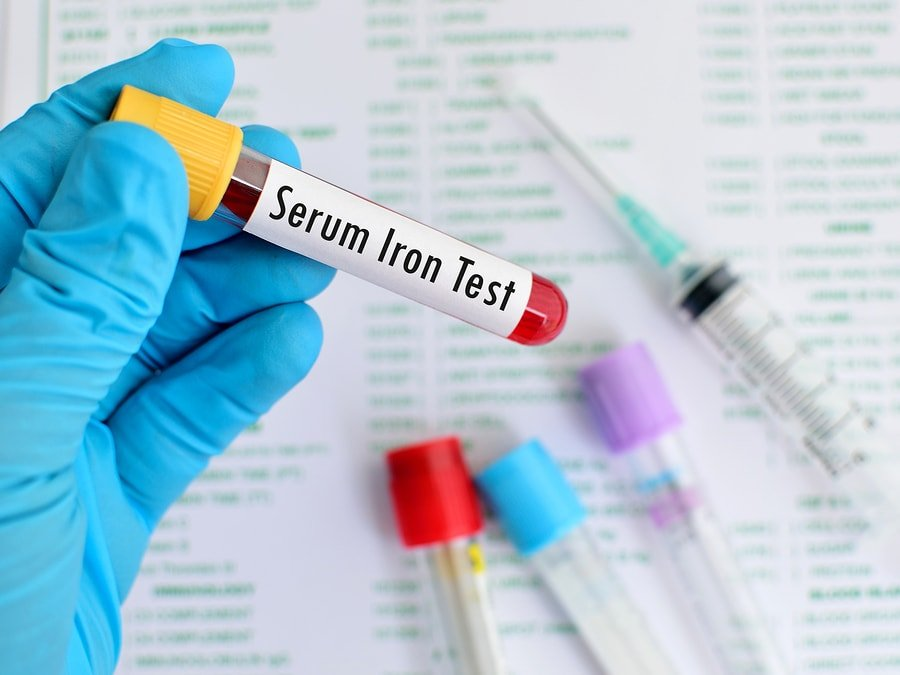
Iron is an essential mineral that plays a vital role in transporting oxygen throughout your body. When you’re feeling constantly tired, weak, or experiencing unusual symptoms, your doctor may recommend an iron profile test to assess your iron levels. Understanding what these test results mean can help you take better control of your health.
What Is an Iron Profile Test?
An iron profile is a comprehensive blood test that measures various markers related to iron in your body. This test to check the iron level in blood goes beyond simply measuring iron itself. The iron profile test list typically includes multiple components that work together to give your doctor a complete picture of your iron status and how efficiently your body is storing and using this crucial mineral.
When you get an iron test, you’re actually receiving several measurements that help identify conditions like iron deficiency anemia, iron overload, or chronic diseases affecting iron metabolism. The iron profile test price varies depending on your location and healthcare facility, but it’s generally an affordable and invaluable diagnostic tool.
Understanding the Components of Your Iron Profile
Iron (Serum Iron)
This measures the amount of iron circulating in your bloodstream at the time of testing. Normal ranges typically fall between 60-170 micrograms per deciliter (mcg/dL) for men and 50-150 mcg/dL for women. However, serum iron levels can fluctuate throughout the day and can be influenced by recent meals, so they’re always interpreted alongside other markers.
TIBC (Total Iron Binding Capacity)
The TIBC blood test measures your blood’s capacity to bind and transport iron. It essentially tells you how much transferrin (the protein that carries iron) is available in your blood. The total iron binding capacity test normal range is typically 250-450 mcg/dL. High TIBC often suggests iron deficiency, as your body produces more transferrin when it needs more iron.
UIBC (Unsaturated Iron Binding Capacity)
The UIBC blood test measures the portion of transferrin that isn’t currently carrying iron. In other words, it shows the reserve capacity available to transport additional iron. The unsaturated iron binding capacity is calculated by subtracting serum iron from TIBC. Normal values range from 111-343 mcg/dL. Elevated UIBC typically indicates iron deficiency.
% Transferrin Saturation (TSAT)
The transferrin saturation test is one of the most telling measurements in your iron profile. It’s calculated by dividing serum iron by TIBC and multiplying by 100. This percentage shows how much of your transferrin is actually loaded with iron. Normal saturation is typically 20-50%. Low saturation (below 20%) suggests iron deficiency, while high saturation (above 50%) may indicate iron overload conditions like hemochromatosis.
Interpreting Your Results
Your doctor will look at all these markers together rather than in isolation. For example, if you have low serum iron, high TIBC, high UIBC, and low transferrin saturation, this pattern typically indicates iron deficiency anemia. Your body is desperately trying to capture whatever iron is available by producing more transferrin.
Conversely, if you have high serum iron, low TIBC, low UIBC, and high transferrin saturation, this might suggest iron overload. In cases of chronic inflammation or infection, you might see low serum iron with low or normal TIBC, which represents a different clinical picture altogether.
Why These Tests Matter
Getting an accurate assessment through these blood tests is crucial for proper diagnosis and treatment. Iron deficiency can lead to fatigue, weakness, pale skin, and difficulty concentrating. Iron overload, though less common, can damage organs including the heart and liver. Both conditions require specific treatment approaches, making accurate diagnosis essential.
Get Your Iron Profile Test at Referral Labs
If you’re experiencing symptoms of iron imbalance or your doctor has recommended an iron profile, Referral Labs offers comprehensive and accurate testing services. With state-of-the-art equipment and experienced professionals, Referral Labs ensures you receive reliable results to guide your healthcare decisions.
Contact Referral Labs:
- Phone:+91 6363136620
- Website: https://referrallabs.in/
- Email: info@referrallabs.in
- Address: No. 39 & 40, Ground Floor, NCBS Road, Canara Bank Layout, Rajiv Gandhi Nagar, Opp. Vivekananda School, Sahakar Nagar Post, Bengaluru, Karnataka – 560092
Don’t wait to understand your iron health. Book your iron profile test today and take the first step toward better wellness.
Frequently Asked Questions (FAQs)