Why Blood Tests Are Important in Detecting Rheumatoid Arthritis

Living with joint pain and stiffness can be frustrating, especially when you don’t know what’s causing it. If you’ve been experiencing persistent joint discomfort, your doctor might recommend a blood test for rheumatoid arthritis. Understanding why these tests matter can help you take control of your health journey and get the treatment you need sooner rather than later.
Understanding Rheumatoid Arthritis
Rheumatoid arthritis is a chronic autoimmune condition that occurs when your immune system mistakenly attacks the lining of your joints. Unlike the wear-and-tear damage of osteoarthritis, rheumatoid arthritis affects the joint lining, causing painful swelling that can eventually result in bone erosion and joint deformity. The causes of rheumatoid arthritis aren’t fully understood, but researchers believe a combination of genetic and environmental factors triggers the condition.
The symptoms of rheumatoid arthritis often start gradually and can include tender, warm, swollen joints, morning stiffness that lasts for hours, fatigue, fever, and loss of appetite. These symptoms typically affect smaller joints first, like those in your fingers and toes, before progressing to larger joints like knees, ankles, and shoulders.
The Critical Role of Blood Tests
When it comes to diagnosing rheumatoid arthritis, blood tests play an invaluable role. While physical examinations and imaging studies are important, a lab test for rheumatoid arthritis blood can detect specific markers that confirm the diagnosis and help your doctor understand the severity of your condition.
One of the most common tests is the rheumatoid factor blood test. This test looks for rheumatoid factor, an antibody that’s present in about 80% of people with rheumatoid arthritis. However, it’s worth noting that some people with the condition test negative for rheumatoid factor, which is why doctors often order multiple tests to get a complete picture.
Another crucial test measures anti-cyclic citrullinated peptide (anti-CCP) antibodies. This test is highly specific to rheumatoid arthritis and can even detect the condition before symptoms appear. When combined with the rheumatoid factor blood test, doctors can make a more accurate diagnosis.
What Blood Results Reveal
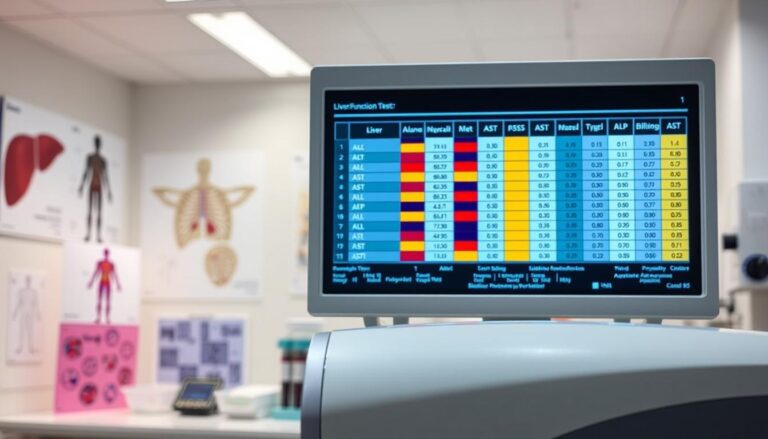
The blood results for rheumatoid arthritis provide several key pieces of information. Besides detecting specific antibodies, these tests measure inflammation markers like C-reactive protein (CRP) and erythrocyte sedimentation rate (ESR). Elevated levels of these markers indicate active inflammation in your body, which helps doctors assess disease activity and monitor how well treatments are working.
A complete blood count is also typically included in the lab test for rheumatoid arthritis blood panel. This test can reveal anemia, which is common in people with rheumatoid arthritis, and helps rule out other conditions that might cause similar symptoms.
Early Detection Makes All the Difference
The importance of early detection through blood tests cannot be overstated. When rheumatoid arthritis is identified early, treatment can begin promptly, potentially preventing permanent joint damage and disability. Early intervention with disease-modifying drugs can slow or even stop the progression of rheumatoid arthritis, preserving your quality of life and ability to perform daily activities.
Regular blood testing also allows your healthcare team to monitor your response to treatment and adjust medications as needed. The blood results for rheumatoid arthritis serve as objective measures of disease activity, helping ensure you’re receiving the most effective care possible.
Why Choose Professional Laboratory Services
Getting accurate blood test for rheumatoid arthritis results requires reliable laboratory services. Referral Labs specializes in comprehensive diagnostic testing, including all the blood work necessary for rheumatoid arthritis detection and monitoring. With state-of-the-art equipment and experienced laboratory professionals, Referral Labs ensures your test results are accurate, timely, and delivered with the highest standards of quality.
Whether you need a rheumatoid factor blood test, anti-CCP testing, or comprehensive inflammation markers, Referral Labs provides complete diagnostic solutions to support your healthcare journey. Their commitment to precision and patient care makes them a trusted partner for both physicians and patients seeking answers about rheumatoid arthritis.
Contact Referral Labs:
- Phone:+91 6363136620
- Email: info@referrallabs.in
- Website: https://referrallabs.in/
- Location:No. 39 & 40, Ground Floor, NCBS Road, Canara Bank Layout, Rajiv Gandhi Nagar, Opp. Vivekananda School, Sahakar Nagar Post, Bengaluru, Karnataka – 560092
Don’t let joint pain control your life. Talk to your doctor about getting a blood test for rheumatoid arthritis and consider using trusted laboratory services like Referral Labs for accurate, reliable results.