How Diabetic Profile Tests Help Monitor Treatment Progress in Diabetes Patients
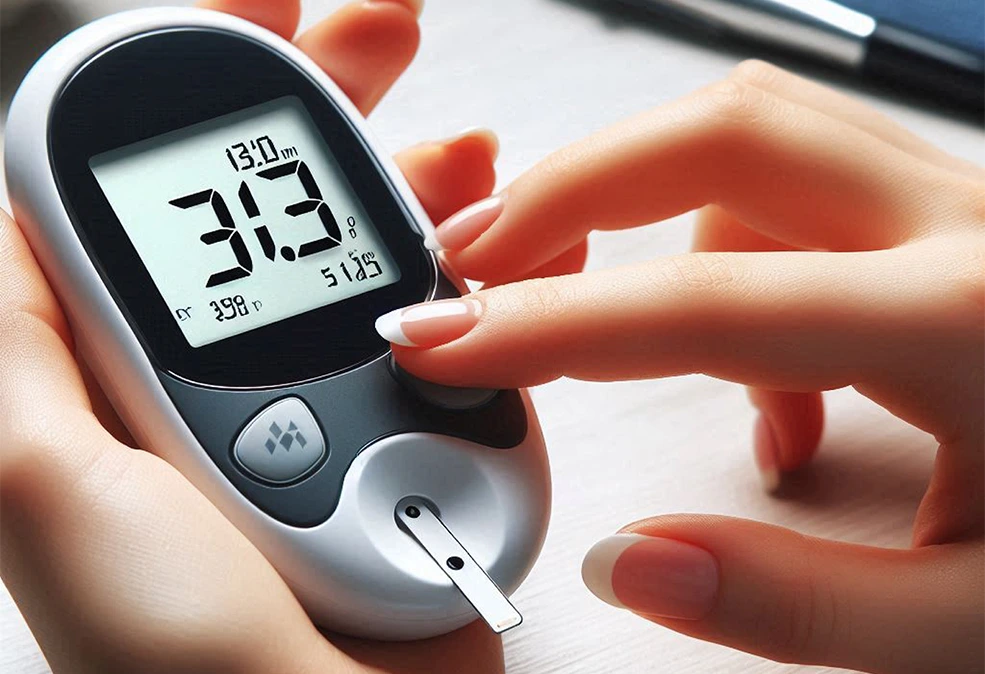
Living with diabetes requires consistent monitoring and careful management to prevent complications and maintain optimal health. Diabetic profile tests serve as essential tools that help both patients and healthcare providers track how well treatment plans are working. These tests provide valuable insights into blood sugar control, enabling timely adjustments to medications, diet, and lifestyle modifications.
Understanding Diabetic Profile Tests
A comprehensive diabetic profile consists of several blood tests that measure glucose levels at different times and conditions. Each test offers unique information about how your body processes sugar and how effectively your diabetes management plan is working.
Fasting Blood Glucose (FBS)
Fasting blood glucose, commonly known as FBS, measures your blood sugar levels after an overnight fast of at least 8-10 hours. This test establishes your baseline glucose level when no food has recently influenced it. For diabetic patients, regular FBS testing helps determine if medications are effectively controlling morning blood sugar levels. Normal FBS values should be below 100 mg/dL, while diabetic individuals typically aim for levels between 80-130 mg/dL before meals.
Post Prandial Blood Glucose (PPBS)
The PPBS test measures blood glucose exactly two hours after eating a meal. This test reveals how well your body manages the sugar spike that naturally occurs after food consumption. For diabetes patients, PPBS results indicate whether insulin production or insulin sensitivity is adequate to handle dietary glucose. Target PPBS levels for diabetics should generally be less than 180 mg/dL. Consistently elevated PPBS readings signal the need for treatment modifications.
Random Blood Glucose (RBS)
Random blood glucose testing measures sugar levels at any time of the day, regardless of when you last ate. The RBS test is particularly useful for identifying unexpected blood sugar fluctuations and assessing overall glycemic control throughout daily activities. While a single random blood glucose reading provides a snapshot, multiple RBS tests over time help create a comprehensive picture of blood sugar patterns and treatment effectiveness.
Oral Glucose Tolerance Test (OGTT)
The oral glucose tolerance test is a more comprehensive assessment that measures how your body processes a specific amount of glucose over time. During the OGTT, you’ll drink a sweetened solution containing 75 grams of glucose, and blood samples are collected at intervals—typically at fasting, one hour, and two hours after consumption. This test is especially valuable for diagnosing prediabetes and gestational diabetes, and it helps doctors understand insulin resistance patterns in diabetic patients.
Oral Glucose Challenge Test (OGCT)
The oral glucose challenge test is a simplified version primarily used as a screening tool, especially during pregnancy to detect gestational diabetes. Unlike the OGTT, the OGCT doesn’t require fasting and involves drinking a glucose solution with blood drawn one hour later. If results are abnormal, healthcare providers typically follow up with the complete oral glucose tolerance test for confirmation. This staged approach helps identify patients who need closer monitoring without subjecting everyone to the more time-intensive testing process.
Glycosylated Haemoglobin (HbA1c)
Glycosylated haemoglobin, or HbA1c, is arguably the most important long-term monitoring tool for diabetes management. This test measures the percentage of hemoglobin proteins in red blood cells that have glucose attached to them. Since red blood cells live for approximately 120 days, the HbA1c test reflects your average blood sugar control over the past two to three months. For most diabetic patients, the target HbA1c level is below 7%, though individualized goals may vary based on age, health status, and risk factors.
Estimated Average Blood Glucose
Estimated average blood glucose is a calculation derived directly from your HbA1c results. This value translates the HbA1c percentage into an average glucose number that’s easier for patients to understand and relate to their daily fingerstick readings. The estimated average blood glucose provides a bridge between the abstract HbA1c percentage and the familiar mg/dL measurements that patients monitor regularly, making treatment discussions more meaningful and accessible.
Why Regular Testing Matters
Consistent diabetic profile testing allows healthcare providers to identify trends, detect problems early, and adjust treatment strategies before complications develop. These tests work together to provide a complete picture—while FBS, PPBS, and RBS offer immediate feedback on current control, HbA1c and estimated average blood glucose reveal longer-term patterns that might otherwise go unnoticed.
Referral Labs: Your Partner in Diabetes Management
When it comes to accurate and reliable diabetic profile testing, choosing the right diagnostic center makes all the difference. Referral Labs offers comprehensive diabetic screening packages with state-of-the-art technology and experienced medical professionals who understand the importance of precise results in managing your diabetes.
Referral Labs provides convenient testing options, fast turnaround times, and detailed reports that help you and your doctor make informed decisions about your treatment plan. Their patient-centric approach ensures comfortable testing experiences and clear explanations of your results.
Contact Referral Labs:
- Phone:+91 6363136620
- Website: https://referrallabs.in/
- Email: info@referrallabs.in
Address: No. 39 & 40, Ground Floor, NCBS Road, Canara Bank Layout, Rajiv Gandhi Nagar, Opp. Vivekananda School, Sahakar Nagar Post, Bengaluru, Karnataka – 560092