How Is Prostate Cancer Detected with a Blood Test?
Prostate cancer remains one of the most common cancers affecting men worldwide, but early detection can significantly improve treatment outcomes. One of the most widely used methods for screening is a simple blood test that has become a cornerstone of prostate cancer diagnosis. Understanding how this test works and what it reveals can help men make informed decisions about their health.
Understanding the PSA Blood Test
The primary method for detecting potential prostate cancer through blood work is the PSA blood test. PSA stands for prostate-specific antigen, a protein produced by both normal and cancerous cells in the prostate gland. When you undergo a prostate blood test, your healthcare provider is primarily looking at the levels of PSA circulating in your bloodstream.
The PSA blood test for prostate cancer measures the concentration of this protein in nanograms per milliliter of blood. While PSA is naturally present in the blood, elevated levels may indicate various prostate conditions, including prostate cancer, benign prostatic hyperplasia (enlarged prostate), or prostatitis (inflammation of the prostate).
How the Prostate Cancer Test Works
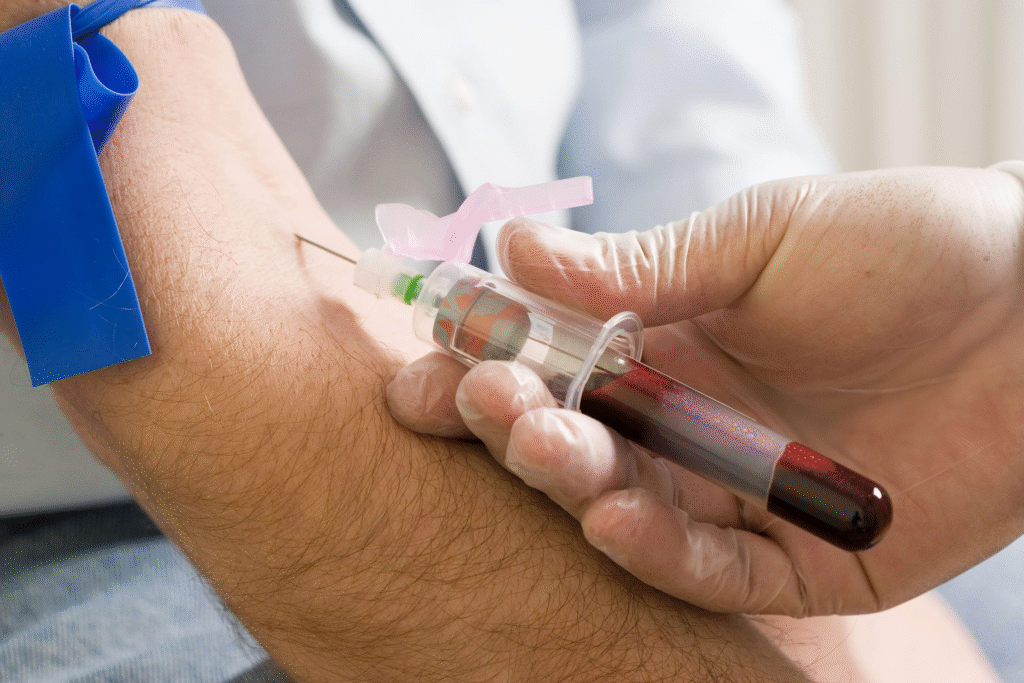
The prostate cancer test process is straightforward and minimally invasive. A healthcare professional draws a small blood sample from your arm, similar to any routine blood test. This sample is then sent to a laboratory where technicians analyze the PSA levels using specialized equipment.
Normal PSA levels typically fall below 4.0 ng/mL, though this can vary based on age and individual factors. Levels between 4.0 and 10.0 ng/mL are considered borderline and may warrant further investigation. Readings above 10.0 ng/mL raise greater concern and usually prompt additional diagnostic procedures.
However, it’s important to understand that the blood test for prostate cancer isn’t definitive on its own. Elevated PSA levels don’t automatically mean cancer is present, and conversely, some men with prostate cancer may have normal PSA levels. This is why doctors consider PSA results alongside other factors such as age, family history, and physical examination findings.
The Role of PSA Testing in Prostate Cancer Diagnosis
The test for prostate cancer using PSA measurements serves as an important screening tool rather than a definitive diagnostic test. When PSA levels are elevated, your doctor may recommend monitoring the levels over time to observe trends. A rapidly rising PSA level can be more concerning than a stable, slightly elevated reading.
For a complete prostate cancer diagnosis, doctors typically combine the PSA blood test results with a digital rectal exam (DRE), where the physician physically examines the prostate for abnormalities. If both tests suggest potential problems, the next step usually involves imaging studies or a prostate biopsy to confirm whether cancer cells are present.
Factors That Affect PSA Levels
Several non-cancerous conditions and activities can temporarily elevate PSA levels. Recent ejaculation, vigorous exercise, bicycle riding, or certain medical procedures involving the prostate can cause temporary spikes. Urinary tract infections and prostatitis can also raise PSA levels. This is why doctors often recommend retesting if initial results are elevated, and why they may advise avoiding certain activities before the test.
Age is another important consideration. As men get older, their prostate naturally enlarges, which can lead to higher baseline PSA levels. Many doctors use age-adjusted PSA ranges to interpret results more accurately for individual patients.
Limitations and Considerations
While the PSA blood test prostate cancer screening has saved countless lives through early detection, it’s not perfect. Some men with elevated PSA levels undergo unnecessary biopsies and treatments for slow-growing cancers that might never have caused problems. Others with normal PSA levels may have aggressive cancers that go undetected initially.
This is why medical organizations recommend that men discuss the benefits and risks of PSA testing with their healthcare providers, particularly those over 50 or with higher risk factors such as family history or African American ethnicity.
About Referral Labs
For accurate and reliable PSA blood testing and comprehensive diagnostic services, Referral Labs offers state-of-the-art laboratory facilities with experienced technicians and modern equipment. Whether you need routine screening or follow-up testing, Referral Labs provides timely results with the highest standards of quality control.
Referral Labs is committed to supporting both patients and healthcare providers with accurate diagnostic information essential for early detection and effective management of prostate conditions.
Contact Referral Labs:
- Phone:+91 6363136620
- Email: info@referrallabs.in
- Website: https://referrallabs.in/
- Location:No. 39 & 40, Ground Floor, NCBS Road, Canara Bank Layout, Rajiv Gandhi Nagar, Opp. Vivekananda School, Sahakar Nagar Post, Bengaluru, Karnataka – 560092
Early detection through regular screening can make all the difference in prostate cancer outcomes. Speak with your healthcare provider about whether PSA testing is right for you.